
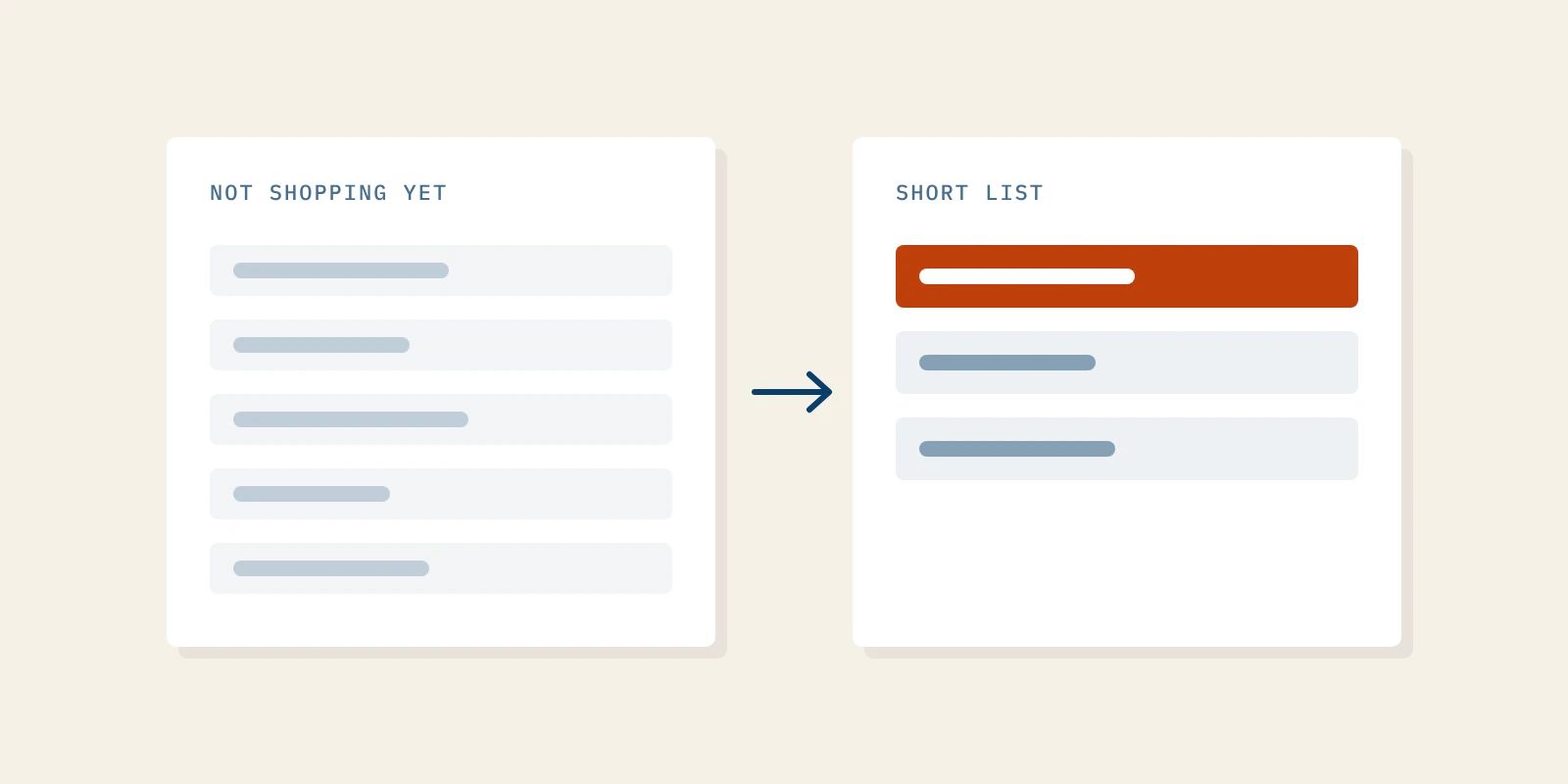
Quick Answer
Demand generation marketing is the work of making a defined group of buyers aware of a problem, and of a company that solves it, before they start shopping. Three tests separate it from lead generation and advertising: it reaches people who are not buying yet, it earns attention without a form, and it shows up later as sales conversations. Without ads it runs on useful content and founder-led outreach, and a B2B demand generation agency can take it over later.
If you built a product first and are now learning marketing, the term probably arrived in a pitch deck or a job post. In plain words, demand generation means getting the right buyers to know and trust you before they need you.
When I searched what is demand generation marketing on 9 October 2026, all nine first-page results came from companies that sell ads, software, data or lead programs. Each one defined the term in a way that fits what it sells, which is useful context but a poor place to start.
In this post I give you a definition from the buyer's side, three tests for spotting real demand generation, a table of seven vendor definitions, and what the work looks like with no ad budget.
What Demand Generation Marketing Means in Plain Words
Demand generation marketing means building familiarity and trust with buyers who have the problem you solve but are not looking for a fix today. The goal is simple: when they do start looking, your name is already on their short list.
I define it by what happens in the buyer's head, not by the channel. A newsletter, a founder's posts, a useful calculator and a well-placed talk can all be demand generation, and a paid campaign can be too. What they share is that a stranger ends up knowing who you are and why you matter, without being asked for anything.
The Three Tests I Use
When someone shows me an activity and calls it demand generation, I check three things before I agree.
- It reaches people who are not shopping yet, not only people already searching for a vendor.
- It earns attention without asking for an email address or a meeting first.
- It shows up weeks or months later as sales conversations that mention it.
An activity that fails the first test is demand capture. One that fails the second is lead generation, and one that fails the third is probably noise.
Why Most Buyers Are Not Shopping Yet
The reason this work exists is timing. The LinkedIn B2B Institute's 95-5 rule page says its research shows "95% of your potential buyers aren’t ready to buy today."
The same page cites research with the Ehrenberg-Bass Institute showing that "75% of companies buy computers once every 4 years." Most of your market is quiet most of the time, so demand generation is how you stay remembered through the quiet stretch.
When Demand Generation Starts to Matter
Demand generation starts to matter once your warm network stops producing new conversations. Before that, every sale comes from people who already know you, so there is no stranger to win over yet.
I see the turn most clearly in founders who sold their first few customers to former colleagues. The product still works, but the next buyer has never heard of them, and no amount of follow-up fixes a name nobody recognizes.
You do not need product-market fit to start. You need one buyer you understand well enough to write something useful for, and the patience to keep showing up for a full sales cycle before judging the result.
What Demand Generation Is Not
It is not a campaign with an end date, and it is not the same as running ads. Ads can carry demand generation, but the term describes the effect on buyers, not the media you pay for.
It is also not lead generation, which collects contact details from people who already show interest. Demand generation creates the interest that lead generation later collects.
Pro tip: Write the three tests at the top of your marketing plan. Anything that fails all three is not demand generation, whatever the invoice calls it.
How Seven First-Page Definitions Frame Demand Generation
The seven definitions I could read on the first page of Google on 9 October 2026 agree on awareness and interest, and they differ on what comes next. Each company frames demand generation around the thing it sells, which is worth knowing before you adopt anyone's version.
| Company | What it sells | How its definition frames demand generation |
|---|---|---|
| Amazon Ads | Advertising | A strategy that ends in "generating potential leads" |
| Advertising | An "upper sales funnel" strategy, on a page about ad campaigns | |
| Salesforce | CRM and marketing software | Means "finding, learning about, and winning over potential customers" |
| Cognism | Sales intelligence data | The "entire range" of marketing and sales initiatives |
| Salesloft | Revenue and sales software | Any activity that drives awareness and interest |
| Turtl | Content platform for ABM | Building "awareness, interest, and trust" before buyers are ready |
| Infuse | Demand and lead generation programs | A marketing function creating awareness, interest and engagement |
None of these is wrong. The pattern I take from the table is that the more a company sells reach, the closer its definition sits to leads and campaigns.
If you searched what does demand generation mean because a vendor used it in a proposal, read that proposal against your own three tests. The word alone tells you very little about what you would be paying for.
Where Demand Generation Sits Next to Lead Generation and Capture
Demand generation sits at the top of the buyer's path, before lead generation and demand capture. In the classic purchase funnel it covers awareness and early interest, while capture and lead generation work further down.
At a seed company the three blur, because the founder does all of them in the same week. The order still matters, since capture pages and lead forms convert little if nobody knows your name yet. I would rather have fifty people who know my work than a form nobody fills in.
I compared the two most confused terms side by side in demand generation vs lead generation for seed-stage founders.
What Demand Generation Marketing Looks Like Without an Ad Budget
Without an ad budget, demand generation marketing runs on founder hours: useful writing, direct outreach and showing up in the same places every week. Here is the shape I use, in the order I run it.
1. Write for One Buyer's Problem
I pick one kind of buyer and the one problem they would pay to fix, then write short answers to the questions they already ask. This is content marketing with a narrow target, and the narrowness is what makes it work.
2. Publish Where That Buyer Already Reads
I put those answers where the buyer already spends attention, usually LinkedIn, a newsletter or a community they trust. One place done every week beats three places done when there is time. Brand awareness at this stage means a few hundred of the right people recognizing your name, not a large audience.
3. Reach Named People Directly
I write personal emails to a short list of named people who fit, each pointing to something useful already published. The email is short, it names why I picked them, and it asks for nothing more than a reply. On a small list this is account-based marketing done by hand, with no software involved.
4. Count Conversations Every Week
Each week I count replies, first conversations and prospects who mention something we published. Those counts are the earliest proof that demand generation is working, long before revenue shows it.
I laid this out as a one-page sheet in a B2B demand generation plan template you can fill in this week.
Pro tip: Ask every new prospect how they first heard of you and write the answer down word for word. Over a quarter those notes show which demand generation work is reaching people.
When a B2B Demand Generation Agency Is Worth Calling
An agency is worth calling once you know which buyer and which channel produce conversations, and your own hours have become the limit. Before that, you would be paying someone else to find out what your market responds to.
When you reach that point, a B2B demand generation agency that works without ads can take over the writing, distribution and weekly counts while you keep the sales calls.
Ask any agency to define demand generation in its own words before you sign. If its answer is mostly about leads and ad spend, you now know which row of the table it belongs to.
Define It by the Buyer, Not the Channel
Demand generation means buyers know and trust you before they need you. I judge it by three tests rather than by any vendor's wording, and for a founder without ads it runs on useful writing, direct outreach and weekly counts of real conversations. If you want that work done for you by a B2B demand generation agency that never buys ads, Better Marketing builds it with you.