
Quick Answer
Product marketing decides who a product is for, what it replaces and the words that explain it. Demand generation carries that message to buyers who are not shopping yet and turns their interest into sales conversations. Most seed-stage B2B founders should do the product marketing themselves until prospects repeat the positioning back unprompted, then hire for demand generation or rent it from a B2B demand generation agency.
Your first marketing job post has to name a discipline, and two titles keep coming up: product marketing manager and demand generation manager. Product marketing is the work of choosing the buyer your product serves, naming the alternative it beats and saying both in that buyer's own words. Demand generation is the work of putting that message in front of the right buyers before they start shopping.
When I searched product marketing vs demand generation on Google on 11 October 2026, the three first-page guides I read defined both jobs and stopped there. The advice I did find split in two. SaaStr's Jason Lemkin says demand generation comes first, and ChatGPT told me product marketing comes first when I asked it that same morning.
In this post I compare the two jobs side by side, explain why the advice splits, give you three checks that pick which comes first, and show what you keep and what you hand off.
How Product Marketing and Demand Generation Differ
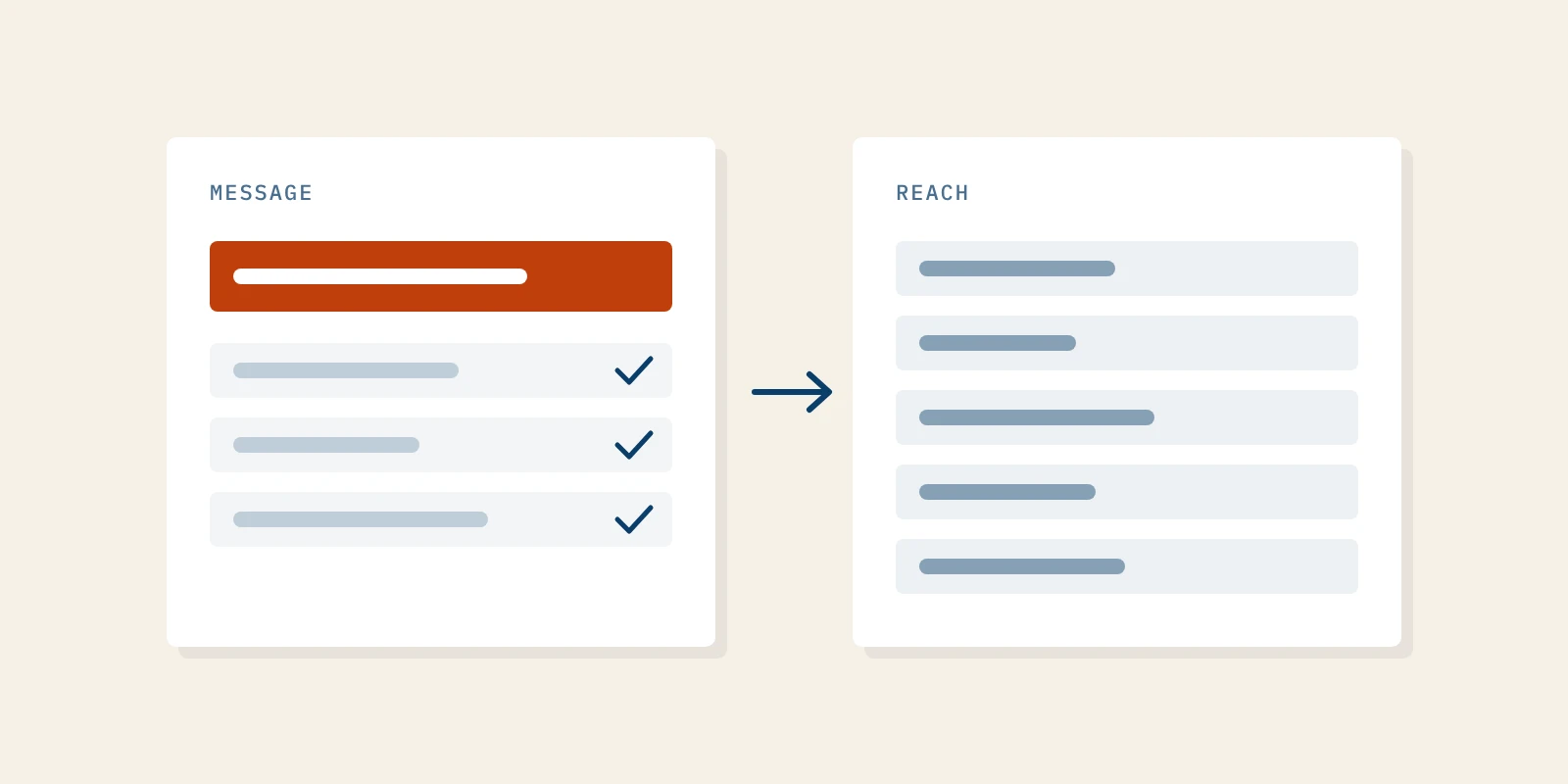
Product marketing decides what you say and to whom, and demand generation decides where buyers hear it and what happens next. One shapes the message. The other carries it to people who are not looking for you yet.
Wikipedia's entry on product marketing describes a function that plans how a product is positioned, priced and promoted to a defined audience. If you have searched what is product marketing and found a different answer on every page, that planning job is the core most of them share.
Demand generation sits later in the chain. Wikipedia ties it to business-to-business selling and longer sales cycles, where marketing programs are paired with a structured sales process.
| Question | Product marketing | Demand generation |
|---|---|---|
| The question it answers | Who is this for, and why would they pick it over what they use now? | Where do those buyers already pay attention, and how do we start a conversation? |
| What it produces | Positioning, a value proposition, messaging, a sales deck, notes on alternatives | Posts, a newsletter, podcast spots, outreach, events and the conversations they start |
| The signal it moves | Win rate, and how fast a prospect understands the product | Qualified first meetings and pipeline |
| What breaks without it | Reach goes up but meetings stall after the first call | A clear message that few buyers ever hear |
| Who does it at seed | The founder, working from sales calls | The founder first, then a hire or an agency |
| Typical title | Product marketing manager | Demand generation manager |
I read the last row as a warning rather than a job spec. Both titles assume a company with enough customers to split the work, and at seed one person usually does both.
Product Marketing Owns the Message
The core of product marketing is positioning, which Wikipedia describes as how customers perceive a product or brand. In practice it comes down to three decisions: which group of buyers you serve first, what alternative you replace, and the value proposition that makes switching worth the effort.
Choosing the first group is market segmentation, and it is easy to skip at seed because every buyer looks welcome. Product differentiation lives here too. If you cannot say what you do that the alternative does not, no channel will say it for you.
A product marketing strategy is mostly these decisions written down and tested on real buyers. At seed it fits on one page, and it changes every time a call surprises you.
Demand Generation Owns the Reach
Demand generation starts from the message and asks where your buyers already spend their attention. For a founder that is usually LinkedIn posts, a short newsletter, podcast guest spots and direct outreach to named accounts.
We do not run paid ads for anyone, and nothing on that list needs them. Demand generation is judged by the sales conversations it starts, and a demand generation manager is the person accountable for that number.
The work is slow at first. Buyers who are not shopping rarely reply in the first weeks, and I treat that quiet as normal rather than as a sign the message failed.
Where the Two Jobs Hand Off
The handoff runs one way first and then both ways. Meghan Gill and Justin Dunham of the venture firm Ansa wrote an April 2026 post on the first marketing hire. Their order is plain: "Demand gen has to be downstream of those decisions, not concurrent with them."
After that, demand generation feeds product marketing. Every post that gets replies from the right job titles, and every call where a prospect repeats your words, tells you the message is landing. I treat those signals as product marketing research, not only as pipeline.
Why Founders Get Opposite Advice on Which Comes First
The advice splits because each side assumes a different starting point. People who say demand generation first assume the founder already owns a message that works. People who say product marketing first assume the message is still moving.
| Source | Advice | The assumption behind it |
|---|---|---|
| Jason Lemkin, SaaStr | Demand generation first, "99 times out of 100" | The founder covers product marketing until a few million in ARR |
| David Fallarme, LinkedIn post | Demand generation first for most startups | Messaging frameworks can wait until demand is flowing |
| Meghan Gill and Justin Dunham, Ansa | A product marketing focus first while messaging keeps shifting | Demand generation cannot run on a message that changes every week |
| ChatGPT, asked on 11 October 2026 | Product marketing first, usually not as a full-time hire | Positioning is still unclear at seed |
In his SaaStr answer, Lemkin wrote that the CEO or another founder usually covers product marketing until a few million in ARR, often longer. Read closely, he is not saying product marketing can be skipped. He is saying the founder does it.
Fallarme made the same case on LinkedIn, and several commenters pushed back. One argued that an early demand generation hire can spend money without knowing who to target.
I think the two camps agree on more than they admit. Someone has to own positioning on day one, and at seed that someone is you.
Three Checks That Tell You Which Comes First
If your positioning already works, fund demand generation first. If it does not, spend the next month on product marketing yourself. These three checks tell you which state you are in, and I run them before anyone writes a job post.
1. Ask Prospects to Say It Back
At the end of your next five first calls, ask the prospect to describe what you do in their own words. If most of them land close to your one-line positioning, the message works. If each one describes a different product, you have a product marketing problem.
2. Read Why You Lost Your Last Deals
Look at the last few deals you lost and the reason each buyer gave. Losses to timing, budget or a missing feature mean the message got through. When a buyer never quite saw the fit, the loss points back to positioning.
3. Compare Your Homepage to Your Buyers' Words
Put your homepage headline next to the words prospects used in emails and on calls. When buyers describe the problem the way you do, product positioning is doing its job. When you call it one thing and they call it another, demand generation will spend its effort explaining instead of reaching.
Pro tip: Write the three answers down with the date. Run the same checks a quarter later and you will see if the message has settled.
If two or three checks pass, I would put the next hire or the next budget into demand generation. If two or three fail, the founder keeps working on product marketing first, because more reach would only spread a message buyers do not yet repeat. This is a working rule from how I run first calls, not a benchmark.
What You Keep and When a B2B Demand Generation Agency Fits
At seed, the founder keeps the product marketing decisions and hands off the demand generation work once the checks pass. Positioning comes from sales calls, and you are the one on the calls.
Here is the split I recommend for a founder selling to enterprise buyers.
- Keep: the one-line positioning and who it is for
- Keep: the list of alternatives buyers compare you against
- Keep: the value proposition you test on every first call
- Hand off: a weekly LinkedIn posting rhythm built from your calls
- Hand off: a newsletter to the people you meet
- Hand off: outreach to named accounts and podcast pitching
Before you post a product marketing manager role, run the readiness test in the five-check test for a first marketing hire. A product marketing manager hired before your sales calls repeat will have little to work from.
When the checks pass and sales needs more first meetings, you can hire a demand generation manager or rent the work from a B2B demand generation agency. I map which seats to fill and in what order in how to structure a demand generation team.
Pro tip: Hand any agency or new hire your written positioning and your three check results on day one. Ask what they will do with them in the first month, and treat an answer about ad spend as a different service.
When Positioning Problems Look Like Pipeline Problems
A positioning problem often shows up first as a pipeline complaint. Meetings get booked but stall after the first call, or prospects compare you with the wrong category of product.
Adding reach to that situation makes it worse, because more people hear a message that does not land. I check product marketing before I add a channel, and the three checks above take an afternoon.
A go-to-market strategy needs both halves, and the order matters more than the titles. If you are also weighing a growth hire, I compared that role in growth marketing vs demand generation. Product marketing vs growth marketing is a different question again, because growth work starts after signup rather than before the first call.
Fix the Message First, Then Fund the Reach
Product marketing sets the message and demand generation carries it, so the order decides how much of your effort reaches a buyer. Run the three checks this week. If prospects already repeat your positioning, fund demand generation through a hire or a B2B demand generation agency.
If they do not, keep the product marketing work yourself until they do. When you are ready for the demand generation side, that is the work we do at Better Marketing.